Picture this. It’s a Friday night in a trendy spot in Madrid’s Malasaña neighborhood or Barcelona’s Born district. The bar is packed, order tickets are flying, the music sounds incredible, and the beer taps won’t stop pouring amber liquid and foam. From the outside, any passerby would think the owner is absolutely printing money. The vibe is electric, the brand looks like a massive hit, and every single table is full.
Six months later, you walk down that exact same street and find the metal shutters rolled down with a faded “For Lease” sign hanging on the door.
How is that even possible? How can a hospitality business that was bursting at the seams every single day go bankrupt in half a year?
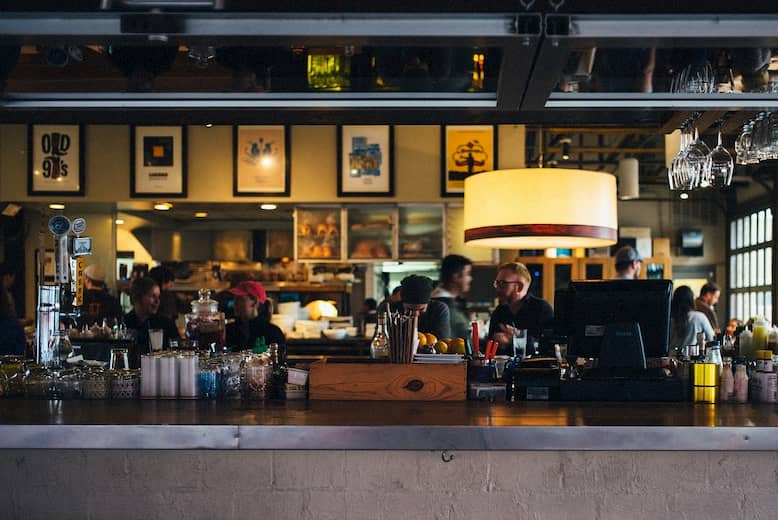
The answer doesn’t lie in the location, the decor, or even how friendly the staff is. The answer is an invisible leak. A leak that happens every single time a beer tap drips, every time a bartender pours half a pint of foam down the drain to “clear the head” of the glass, and every time the owner pays an inflated price for a keg because they signed a predatory exclusivity contract in exchange for a few terrace tables, umbrellas, and a glowing neon sign for the storefront.
At The Bar N’ Bar, we’ve spent years sticking our noses (and our brains) into the numbers of hundreds of hospitality businesses. We’ve seen venues slowly bleed out because they didn’t understand the difference between making sales and making a profit. Today, through our online consulting services, we want to share everything you need to know—clearly, practically, and without holding anything back—so that beer becomes the most profitable product in your business instead of your silent ruin.
Don’t worry: we’re going to break it down using language so direct and simple that anyone could wrap their head around it. Stick with us, because by the end of this article, you’ll know exactly which taps to install, which beers to stock, how to negotiate with massive hospitality suppliers, and how to use your website and digital menu to multiply your net profit on every single pint you serve. pagina web y tu menu digital para multiplicar tu beneficio neto por cada caña que sirvas

Beer Styles and the Art of Menu Engineering at Your Bar Counter
You can’t build a beer program based entirely on what you personally like to drink. Your bar needs to offer variety, but variety with a strategy. Every single beer style has a target audience, a different pour cost, and a distinct role within your culinary lineup.
To map out your menu like a top-tier professional consultant, you first need to understand the true personality of each beer style:
- Lager and Pilsner Beers: The undisputed queens of high rotation. These are bottom-fermented beers—clean, crisp, translucent, light, and deeply refreshing. Their purpose is crystal clear: quench thirst fast and flip tables at maximum speed.
- Pale Ales and Toasted/Amber Beers: These offer a more aromatic profile, loaded with malty, caramel, and nutty notes. They are the ultimate sweet spot for customers looking for “something a bit extra” without diving headfirst into full beer-geek territory, and they pair like a dream with meats and burgers.
- Wheat Beers (Weissbier): Cloudy German-style ales—creamy, smooth, and bursting with fruity aromas reminiscent of banana and clove. They are massive hits during the summer months and pair wonderfully with salads, seafood, and lighter fish plates.
- IPAs (India Pale Ales): The engine driving the craft beer movement. Their intense hop profiles and bold, pronounced bitterness drive demanding beer lovers crazy—and these consumers are more than willing to pay a premium price. It is the ideal match for spicy or highly seasoned foods.
- Dark Beers (Stout and Porter): Bold, intense flavors of roasted coffee, rich cacao, and licorice, backed by a dense, creamy texture. While they have slower table rotation, their profit margins are spectacular when offered alongside desserts or heavy, pungent cheeses.
- Lambics (Spontaneous Fermentation): Sour, complex, and deeply niche Belgian ales. They boast a fiercely loyal cult following that explicitly looks for exclusivity and has zero issue paying premium import prices.
- Non-Alcoholic and Low-ABV Beers: The fastest-growing segment in the industry right now due to modern health and wellness shifts. Do not treat them like an afterthought: a great, full-bodied, ice-cold non-alcoholic option builds massive loyalty with guests who used to just order tap water or commercial sodas.
Applying Menu Engineering to Your Beer List
Menu engineering categorizes every beer on your list based on its overall popularity (sales volume) and its direct profitability (contribution margin):
- Stars (High Popularity / High Profitability): The crowns of your bar rail. For example, that local craft IPA that practically sells itself while leaving you a massive contribution margin. These belong in the most high-traffic, visible spots on your physical menu, your digital menu boards, and right on the homepage of your website.
- Plowhorses (High Popularity / Low Profitability): Your classic, everyday commercial draft lager. You pull thousands of these taps a month, but your net margin per glass is tight because retail pricing is heavily compressed by local competition. The trick here is to either implement a justified, slight price bump (for instance, by upgrading your glassware presentation or pairing it with a top-notch complimentary house tapa) or gently nudge consumers toward a higher-margin Star option.
- Puzzles (Low Popularity / High Profitability): High-margin, complex beers (like a barrel-aged imperial stout) that guests rarely order simply because they aren’t familiar with them. The fix? Use evocative, mouth-watering copy in your descriptions (“layered with rich notes of pure dark cacao and fresh-roasted espresso beans”), train your floor staff to actively pitch them during the dessert course, or place them firmly inside your menu’s “Golden Triangle” (the center and upper corners where a customer’s eyes automatically look first).
- Dogs (Low Popularity / Low Profitability): Outdated industrial import bottles sitting in your backbar fridge collecting dust and wasting valuable cold space. Don’t overthink it: cut them from your menu immediately. They do nothing but bleed money through expiry waste and overcomplicate the customer’s decision-making process.
The Clash of Hospitality Suppliers: The Illusion of Upfront Volume Rebates
If you are planning to open a bar or restaurant, or if you are currently running one, sooner or later a sales rep from a massive industrial brewery will walk through your front door. And they will promise you the world.
“We’ll advance you €20,000 in cold cash to help with your renovation, install the most stunning draft towers in the area, give you free terrace tables and chairs, branded glassware, storefront signage, and a spectacular yearly volume rebate.”
Sounds like a gift from above, right? Well, we hate to break it to you, but in the real world of hospitality, there is no such thing as a free lunch. At The Bar N’ Bar, we call this the exclusivity pact with the devil.
How the Upfront Rebate Trap Works
A rappel (or volume rebate) is a financial discount breweries give you based on the sheer volume of beer you purchase over a year. However, big industrial beverage corporations have turned this into a financial tool for absolute control.
They hand you a large upfront lump sum of cash to help cover your startup costs, but in return, they lock you into a strict exclusivity contract and a binding tie-in clause lasting anywhere from 3, 5, or even 7 years.
What does this actually mean for your venue’s day-to-day business?
- Inflated, Locked-In Contract Pricing: For the entire duration of that contract, you will pay an artificially inflated, premium list price for every single keg you order. That money they “advanced” you? You are paying it back month by month with every single drop of beer you buy, carrying an undercover interest rate that frequently borders on financial extortion.
- A Total Ban on Product Variety: By signing that exclusivity deal, you swear an oath that 100% of your draft lines (and often your bottle fridges too) will feature only their brand portfolio. If a guest asks you for a local independent craft IPA or a top-tier premium non-alcoholic option from an outside brand, your hands are tied. You are completely castrating your own freedom to adapt your inventory to genuine market trends.
- The Noose of Tie-In Longevity: If sales dips happen and you fall short of the annual hectoliter quotas specified in the fine print, the brewery will hit you with heavy financial penalties or automatically extend your contract’s duration. Your bar essentially becomes their commercial slave.
That’s why our professional advice as consultants with our feet firmly on the bar rail is crystal clear: always strive to maintain total ownership or independent control of your draft beer equipment.. Finance your bar machinery on your own or through transparent, independent loans, and keep your counter free from exclusivity chains. By doing this, you can buy beer from local distributors by negotiating true net prices, swap out your taps based on what your actual customers want to drink, and prevent a corporate beverage giant from dictating the rules of your own game.
Bar Equipment and Product Loss: The Tap That Doesn’t Lie
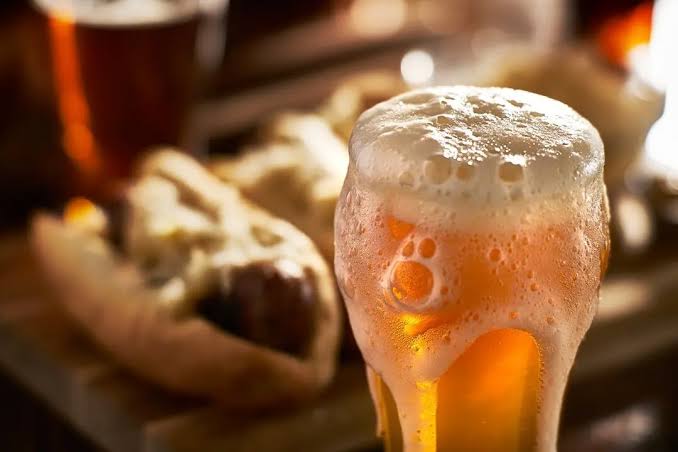
Draft beer is an incredibly delicate, living entity. In many cases (especially with craft selections), it isn’t pasteurized; it contains active yeasts and is brutally sensitive to three mortal enemies: heat, oxygen, and dirt.
If you don’t pamper your bar equipment, your pour costs will skyrocket due to physical product variance—meaning the hard cash you pour straight down the sink drain because the liquid comes out hot, sour, or trapped in an uncontrollable wave of foam.
To take true control of your draft margins, you must laser-focus on these three fundamental technical pillars:
1. Pour Temperature (The 0 to 4°C Sweet Spot)
Your beer needs to be stored and dispensed at a steady temperature between 0 and 4°C at all times. High-quality flash chillers or remote glycol-recirculation cooling systems are completely non-negotiable pieces of bar equipment to pull this off.
If the liquid inside the keg climbs past 5°C, the dissolved carbon dioxide gas begins to expand and separate from the liquid inside the line. The result? Every time your staff opens a tap, an uncontrollable volcano of foam erupts. Your bartenders will be forced to let the tap bleed out liters of highly valuable product into the drip tray just trying to pull a decent glass. Keeping temperatures under strict digital control is step one to shielding your profit margin.
2. European Taps Fitted with Flow Control Compensators
Run away from cheap, basic traditional beer taps. Invest in premium stainless-steel taps equipped with a side flow-control compensator lever. This tiny lever allows your staff to manually throttle the beer’s exit speed based on the pressure levels of the keg and the specific style of the brew.
This is a massive operational win because it ensures that any member of your floor team—even if it’s their very first day working the restaurant floor—can pour a perfect pint with a flawless, two-finger head of foam without wasting a single drop of inventory.
3. The Bi-Weekly Line-Cleaning Routine
The beverage lines that carry beer from your keg room to the tap faucet are the perfect breeding ground for wild yeasts, beer spoilage bacteria, and mineral buildups known as ‘beer stone’. If you fail to clean this circuit periodically, your beer will start tasting “funky” or sour, driving away regular guests, and the internal residue buildup will create microscopic rough spots inside the line, triggering constant turbulence and endless, costly foam.